
Do you know someone with an insatiable curiosity for the past, who relishes the opportunity to delve into history and uncover the stories that shaped our world? Then you’ve come to the right place! This article is dedicated to uncovering the perfect gifts for history buffs, celebrating their passion for the past, and acknowledging the joy they find in unraveling the mysteries of bygone eras.
As we embark on this historical journey, we will explore the intriguing world of history-inspired gifts, discovering treasures that cater to various tastes and interests. From engaging books that transport readers back in time to immersive experiences that offer a firsthand glimpse into the past, our comprehensive gift guide aims to inspire and delight even the most discerning history enthusiast. Each carefully chosen item on our gift list for history buffs not only reflects their passion but also serves as a testament to their enduring love for the stories that have shaped humanity.
So, gather your curiosity and join us as we voyage through time, unearthing gift ideas for history buffs that will not only entertain and educate but also leave a lasting impression on their hearts. Our mission is to help you find the ideal present that speaks to their passion for the past while providing them with a cherished keepsake that will ignite their love for history for years to come.
Best Gift Ideas for History Buffs
1. History Channel Boxed Calendar


Spanning 365 days, this calendar is an engaging treasure trove of knowledge, providing daily insights and revelations that are sure to captivate even the most discerning history buffs. Thoughtfully curated and designed, this calendar makes for an exceptional gift that will enrich their understanding of the past while keeping their passion for history alive throughout the year.
2. History Unknown Chapters

Immerse yourself in the enthralling world of untold history with Giles Milton’s masterfully written book, where he expertly showcases his knack for uncovering lesser-known, yet captivating stories from the annals of time. In this riveting literary journey, Milton brings to light the intriguing tales that have been hidden in the shadows of mainstream history, making them feel like a personal exploration of your own heritage. This thought-provoking and engrossing book is the perfect gift for history buffs who revel in discovering the extraordinary stories that have shaped our world, yet remain largely uncelebrated.
3. History Coffee Mug

Celebrate the enduring spirit of America with this eye-catching and inspiring Declaration of Independence coffee mug, commemorating the historic date of July 4th, 1776. This high-quality, beautifully designed mug not only serves as a daily reminder of America’s rich heritage, but also stands as a testament to the country’s unwavering resilience. Perfect for history enthusiasts, this exceptional coffee mug is a unique and meaningful gift that they will proudly display and use every day, reflecting their passion for the captivating tales of America’s past.
RELATED: Best Gifts for Coffee Lovers to Use Every Day
4. Handmade History Buff Notebook
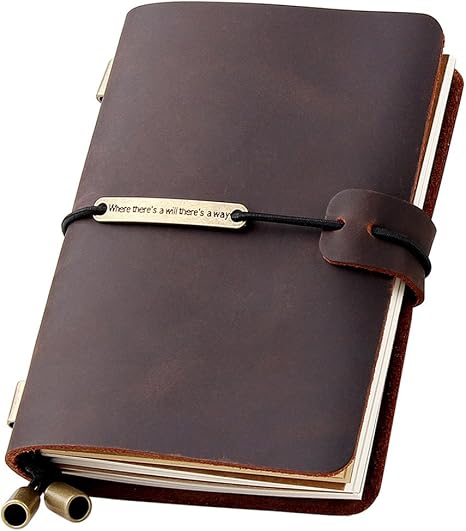
Ignite the passion of history enthusiasts with this exquisite leather-bound notebook, designed to resemble an aged document and emanate an aura of historical charm. Perfect as both a decorative piece and functional writing companion, this captivating notebook is a true gem for those who appreciate the beauty of bygone eras. With its high-quality craftsmanship and authentic vintage appearance, this extraordinary gift is sure to delight any history buff, inspiring them to delve deeper into the fascinating stories that shaped our world and record their own thoughts and reflections in style.
5. F*cking History Book

Transform the way you perceive history with this enthralling book that breathes new life into seemingly dull facts and timelines. By weaving witty narratives and captivating storytelling, this book revives the essence of the past, making it enjoyable and accessible for everyone. No longer will you view history as a dreary subject or struggle to find excitement in the progression of time. With this engaging and enlightening gift, history buffs will be captivated as they rediscover familiar events and uncover hidden gems in a whole new light, making it an ideal choice for anyone who appreciates the rich tapestry of our shared past.
6. Julius Caesar Pencil Holder

Crafted from durable resin, this striking piece features a majestic depiction of Julius Caesar, lending an air of regality and ancient grandeur to any workspace. Not only does it serve as a practical solution for organizing writing instruments, but it also stands as a captivating conversation piece that showcases a deep appreciation for the past. This unique and inspiring gift is sure to delight anyone with a passion for history and a penchant for the extraordinary.
7. United States Constitution

Gift the history aficionado in your life this exquisite, 192-page leather-bound edition of the United States Constitution, which also encompasses the Declaration of Independence, Bill of Rights, and all subsequent amendments. Bound in genuine leather with silver-edged pages, this sophisticated tome is not only a treasure trove of America’s founding documents but also a stunning decorative piece. The embossed American eagle on the cover adds an elegant touch, transforming this book into a striking display for any home or office. This thoughtfully curated gift is sure to captivate and delight anyone with a fervor for history and a deep appreciation for our nation’s origins.
8. Kindle Paperwhite
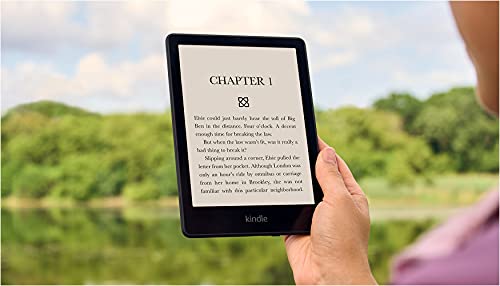
Kindle Paperwhite, a true game-changer for history buffs and avid readers alike. Its sleek, lightweight design ensures effortless portability, while the glare-free display emulates the appearance of real paper, allowing for comfortable, strain-free reading even under bright sunlight. Perfect for diving into gripping historical accounts or immersing oneself in the annals of the past, the Kindle Paperwhite is the ultimate gift that will delight and captivate anyone with a passion for history and a love for reading, regardless of their location or surroundings.
RELATED: Best Gifts for Lawyers
9. History Buff Mug

Ignite the passion of any history buff with this innovative and captivating mug, perfect for any occasion. With its unique design, the mug unveils a fascinating secret or surprise image upon contact with hot liquid, transforming your favorite beverage into a delightful, immersive experience. Whether they’re enthralled by epic Civil War battles or simply wish to add a touch of historical intrigue to their home, this mug serves as an ideal gift that will delight, entertain, and engage the minds of history enthusiasts everywhere.
10. Buffalo Games Chronology

Buffalo Games Chronology is an enthralling game designed to challenge history buffs and put their knowledge to the test. This engaging card-based adventure takes players on a riveting journey from ancient eras to the modern day, encompassing both groundbreaking inventions and momentous events. A captivating and educational experience, Chronology is the perfect gift to stimulate the minds of history enthusiasts, offering hours of amusement and intellectual challenge while broadening their historical horizons.
11. Funny Cotton Socks

These whimsical and quirky novelty cotton socks are the perfect accessory to add a dash of humor and flair to any outfit. Infused with an eclectic blend of pop culture references and artistic elements, these fashionable socks are both eye-catching and versatile. Ideal for history buffs with a penchant for fun, these delightful socks make an exceptional gift that can be enjoyed every day, elevating their wardrobe while simultaneously showcasing their passion for history and wit.
12. Declaration of Independence Silk Necktie

Showcase your historical passion in style with this exquisite Declaration of Independence Silk Necktie, proudly made in the USA. Crafted from 100% silk, this luxurious tie exudes elegance and sophistication, all while remaining wrinkle and crease-free. Each signature from the iconic Declaration of Independence is prominently displayed, making it the perfect conversation starter for history buffs who love to express their interests through their wardrobe choices. This distinctive necktie is the ideal gift for those who appreciate the finer details and stories from our past.
13. The Book of Amazing History

Dive into the captivating human history with this comprehensive 704-page tome that spans from the ancient world to the recent past. With hundreds of fascinating articles and lists covering a wide array of topics, this book is perfect for history buffs who are eager to explore different eras. Delve into the realms of science, technology, politics, arts, music, war, medical advancements, crime, and the lives of influential historical figures. As an ideal gift for those passionate about uncovering the past, this expansive collection is sure to captivate and enlighten any history enthusiast.
14. Engraved Compass with Leather case

Experience the allure of antiquity with this exquisitely crafted compass, an elegant fusion of a vintage sundial and a sophisticated accessory for the modern-day adventurer. Constructed from premium brass, this timeless piece is not only a testament to history but also a practical tool for exploration. Nestled within its own luxurious leather pouch, this antique-inspired compass makes an exceptional gift for history buffs or a cherished keepsake for any discerning explorer.
15. Military History Book
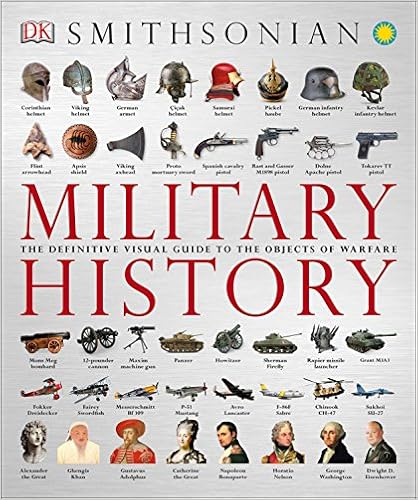
Delve into the captivating realm of military history with this comprehensive book, a masterful exploration of battlefields, weaponry, and strategies spanning from the dawn of warfare to modern times. With an unyielding focus on groundbreaking innovations and transformative changes, military historians meticulously dissect the evolution of combat and the tools that shaped it. This enthralling tome is an exceptional gift choice for history aficionados, providing them with a wealth of knowledge that illuminates the intricacies of warfare and the tactical genius behind it—perfect for the holiday season or any special occasion.
16. Deal or Duel Hamilton Game

Put your intellect and cunning to the test as you vie for wealth and power alongside America’s earliest leaders. In this high-stakes game of risk and reward, you’ll strive to accumulate the most riches or face the ultimate price in your pursuit of victory. Drawing from the very essence of Ameritocracy, Deal or Duel Hamilton is an exhilarating gift that seamlessly blends historical intrigue with strategic gameplay, making it the ideal choice for history aficionados seeking a unique and entertaining experience.
17. Documents of Freedom Bundle

Documents of Freedom Bundle, a meticulously curated collection of historically accurate replicas that will delight and captivate history buffs everywhere. Printed on genuine antiqued parchment, these stunning facsimiles of the founding documents bring the past to life, offering a tangible connection to the very foundations of our nation. The bundle is perfect for displaying in frames or preserving within the included collector’s tube, making it an exceptional gift for those with a passion for history or a penchant for collecting unique memorabilia. Celebrate the spirit of Independence Day and honor the legacy of our forefathers with this exquisite and timeless tribute to freedom.
18. History Buff T-Shirt

Featuring the iconic George Washington in a playful design that captures the essence of America’s first president, this witty tee is sure to bring a smile to the face of anyone who wears it. Crafted from quality materials for a comfortable fit, this shirt makes a perfect gift for history enthusiasts who appreciate the lighter side of our nation’s past. Let your friends and loved ones revel in the laughs and wisdom that come with embracing their inner history buff!
RELATED: Funny Gag Gifts for Every Occasion
19. American Trivia Game

Delve into the intriguing world of American history with the American Trivia game! This captivating and educational game boasts 2-sided cards, containing a staggering 1,000 questions spanning five diverse categories. From monumental landmarks to renowned personalities, players will not only test their knowledge but also uncover a wealth of fascinating information. The perfect gift for history buffs, this trivia game will enrich their understanding of the USA and provide hours of entertainment and learning for the entire family. So why wait? Embark on a journey through America’s past and present with this exceptional trivia game!
20. Mona Lisa painting infinity scarf

Showcase your admiration for art and its rich history with this exquisite Leonardo Da Vinci’s Mona Lisa infinity scarf. As one of the most renowned paintings in history, the Mona Lisa adorns this elegant accessory, transforming it into a wearable masterpiece. Perfect for history buffs and art enthusiasts alike, this scarf not only serves as a stunning fashion statement but also as a thoughtful gift idea. Wrap yourself in the beauty of the past and celebrate the genius of Leonardo Da Vinci with this timeless, artistic accessory.
21. Declaration of Independence Oil Painting

Adorn your walls with this exceptional reproduction art print of John Trumbull’s iconic painting, “Declaration of Independence.” Measuring 12×18 inches, this museum-quality cotton canvas print captures the essence of history with its vibrant colors and remarkable clarity. With no fading, you can trust that this piece will retain its brilliance for over a century. As the perfect gift for history buffs, this print can be easily framed and proudly displayed, making it an ideal choice for commemorating significant historical events like Memorial Day or Veterans’ Day. Celebrate the spirit of freedom and the rich heritage of our nation with this captivating piece of art.
22. History Buff Gift Keychain

Thoughtfully designed and crafted, it serves as an elegant and practical reminder of their passion for the past. Perfect for any occasion, this keychain is not only a stylish accessory but also a heartfelt token of appreciation, celebrating their love for history and the knowledge they possess. Give the gift that will make a lasting impression and spark conversations about their favorite historical moments with this remarkable keychain.
23. Handmade Finnish Kuksa Cup
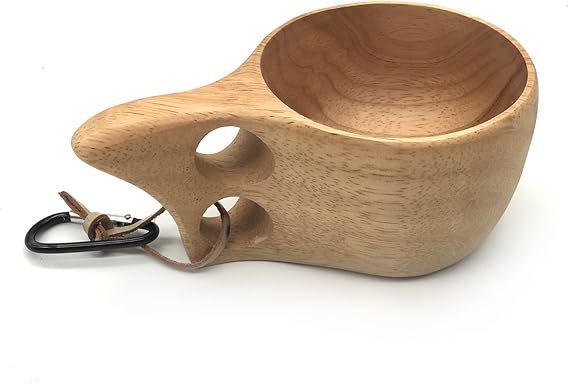
Delight the history enthusiast in your life with this one-of-a-kind Kuksa cup, a natural wood drinking vessel steeped in tradition and charm. Holding up to 200 milliliters of liquid, this durable cup is perfect for outdoor adventures and camping trips, thanks to its unbreakable design. Crafted with care and attention to detail, this exceptional cup not only serves as a functional item but also as a unique conversation starter. Surprise your favorite history buff with this distinctive gift that effortlessly combines history, craftsmanship, and practicality in one remarkable package.
RELATED: Best Unique Camping Gift Ideas
24. The Declaration of Independence Replica

Declaration of Independence Replica, a timeless historical document designed to stand the test of time. Constructed from top-notch materials, each replica undergoes a meticulous hand-finishing process, ensuring unparalleled longevity that outshines any ordinary library document. This extraordinary gift not only highlights the pivotal moment in American history but also serves as a testament to the recipient’s passion for historical treasures. Gift this exceptional piece to the history buff in your life and watch as they marvel at its enduring beauty and significance.
25. Antique Wax Seal Stamp

Delight the history enthusiast in your life with the exquisite antique wax seal stamp kit, an impeccable gift for collectors and writers who appreciate the finer things from the past. Boasting a rich mahogany handle, a robust brass head, and non-toxic materials, this elegant kit allows the user to customize their packages with a personal touch, choosing from an array of design features such as an initial letter or festive holiday decorations like Christmas trees. The recipient will be thrilled to create a timeless, personal impression that harkens back to a bygone era, making this stamp kit the ideal present for history buffs who love to infuse their world with a touch of historical charm.
26. Unexplained Mysteries Calendar History Gift Box

Ignite the curiosity of the history enthusiast in your life with this enthralling boxed calendar, a treasure trove of the world’s most intriguing events and enigmatic characters. Spanning from the daring Alcatraz breakout to the chilling mystery of the Zodiac Killer, this gift box promises to captivate lovers of crime-related stories from history. The recipient will be delighted to discover carefully curated pieces that are guaranteed to fascinate and enthuse any history buff, making this calendar the perfect gift to enrich their knowledge and appreciation of the darker side of our past.
27. Aztec Solar Wall Calendar

The calendar showcases stunning artwork inspired by the Aztec culture, alongside an accessible layout that clearly presents significant dates, accompanied by their English translations. This captivating calendar offers a unique and engaging way for history buffs to explore and appreciate the rich heritage and traditions of the Aztecs, making it a perfect gift that combines both beauty and knowledge.
28. Family Tree Chart

This engaging 6-generation genealogy poster allows for a creative exploration of one’s ancestry, showcasing not only direct bloodlines but also those connected through marriage or adoption. Customize this blank chart with your loved one’s personal details to create a truly unique and cherished memento, ideal for adorning the walls of their home or office. This thoughtful and meaningful gift will surely delight anyone passionate about their family’s history and legacy.
29. Bookmarks

This ingenious bookmark not only adds a touch of whimsy to your literary adventures, but its glow-in-the-dark feature ensures you’ll never struggle to find your place again. Simply expose it to light, and the enchanting dragonfly shape will guide you back to your favorite passages in a matter of seconds. As a decorative and functional accessory, the Dragonfly Bookmark offers lasting charm and convenience, making it an ideal gift for those who love delving into the annals of history.
RELATED: Best Dragonfly Gifts for Dragonfly Lover
30. LEGO Architecture Empire State Building

This remarkable model boasts four detailed facades, a towering antenna, and surrounding streets adorned with iconic yellow cabs. Crafted with precision and care, it captures the essence of one of the world’s most iconic landmarks. The Empire State Building LEGO set serves as both an engaging building experience and a stunning display piece, making it the perfect gift for those who appreciate the rich tapestry of history and architectural masterpieces.
31. Shakespeare Stuffed Portrait

Embrace the imaginative essence of the world’s most celebrated playwright and poet with this captivating Shakespeare pillow. This artistic piece serves as a testament to the timeless creativity and beauty of his work, instantly transforming any space with a touch of literary charm. It’s the ideal gift for history buffs and literary enthusiasts alike, offering comfort and inspiration while paying homage to the brilliant mind that has inspired generations. Gift this Shakespeare pillow to yourself or a loved one, and let the enchanting spirit of the Bard’s masterpieces come alive in your home.
32. Unusual Knowledge Book

The Book of Unusual Knowledge is a captivating treasure trove for history enthusiasts who revel in the intriguing and unexpected. This hardcover tome, with its substantial heft, promises to enthrall readers as they leisurely peruse its pages. An excellent gift for history buffs who appreciate diving into the lesser-known aspects of the past, this book will undoubtedly spark curiosity and stimulate lively discussions. Give the gift of fascinating discovery with The Book of Unusual Knowledge, and watch as it becomes a cherished addition to any history lover’s collection.
33. Disappearing Dino Mug

As they pour their steamy drink into this fascinating mug, they’ll be mesmerized by the transformation of lively prehistoric creatures into fossilized remnants. Perfect for those who appreciate the wonders of history and paleontology, this mug offers a captivating and interactive experience, making it an exceptional and thoughtful present for the history aficionado in your life.
34. Globe Pen Pencil Holder

The Blue Globe Pencil Holder is a sophisticated and timeless addition to any workspace, exuding an air of classic elegance and charm. Its alluring design and intricate details make it a striking piece that will elevate the aesthetics of any desk or table. History buffs who have a penchant for collecting unique and vintage-inspired items will be enthralled by this distinctive pencil holder. It serves not only as a practical organizer but also as a conversation starter, making it an exceptional and thoughtful gift for those who appreciate the finer things in life.
35. History Buff Fun Coffee Mug

The quintessential coffee mug for history enthusiasts, this 11-ounce ceramic masterpiece boasts a high-quality design that captures the essence of the past. With its vivid prints adorning both sides, the mug showcases an unparalleled attention to detail. Not only is it a striking piece to enjoy your favorite beverage in, but it is also dishwasher safe for easy cleaning and long-lasting appeal. This exceptional mug serves as an ideal gift for history buffs, providing both a practical and captivating way to immerse themselves in the rich tapestry of the past each morning.
36. Scratch Off World Map Poster

Looking for an unforgettable gift for the history buff who’s also a pilot or an adventurer at heart? The scratch-off world map poster is just the ticket! This stunning piece allows them to document their travels and share their journeys with family and friends, creating a living record of their globetrotting experiences. As they scratch off each country or region they’ve visited, the map unveils vibrant colors beneath, making it a striking and engaging visual representation of their adventures. Gift this extraordinary map to that special history-loving aviator in your life, and watch their eyes light up with excitement and appreciation.